

Plzeňský kraj

Plzeňský kraj
Západočeská univerzita v Plzni

2026
Ing. Lucie Hájková
lucie.hajkova@plzensky-kraj.cz
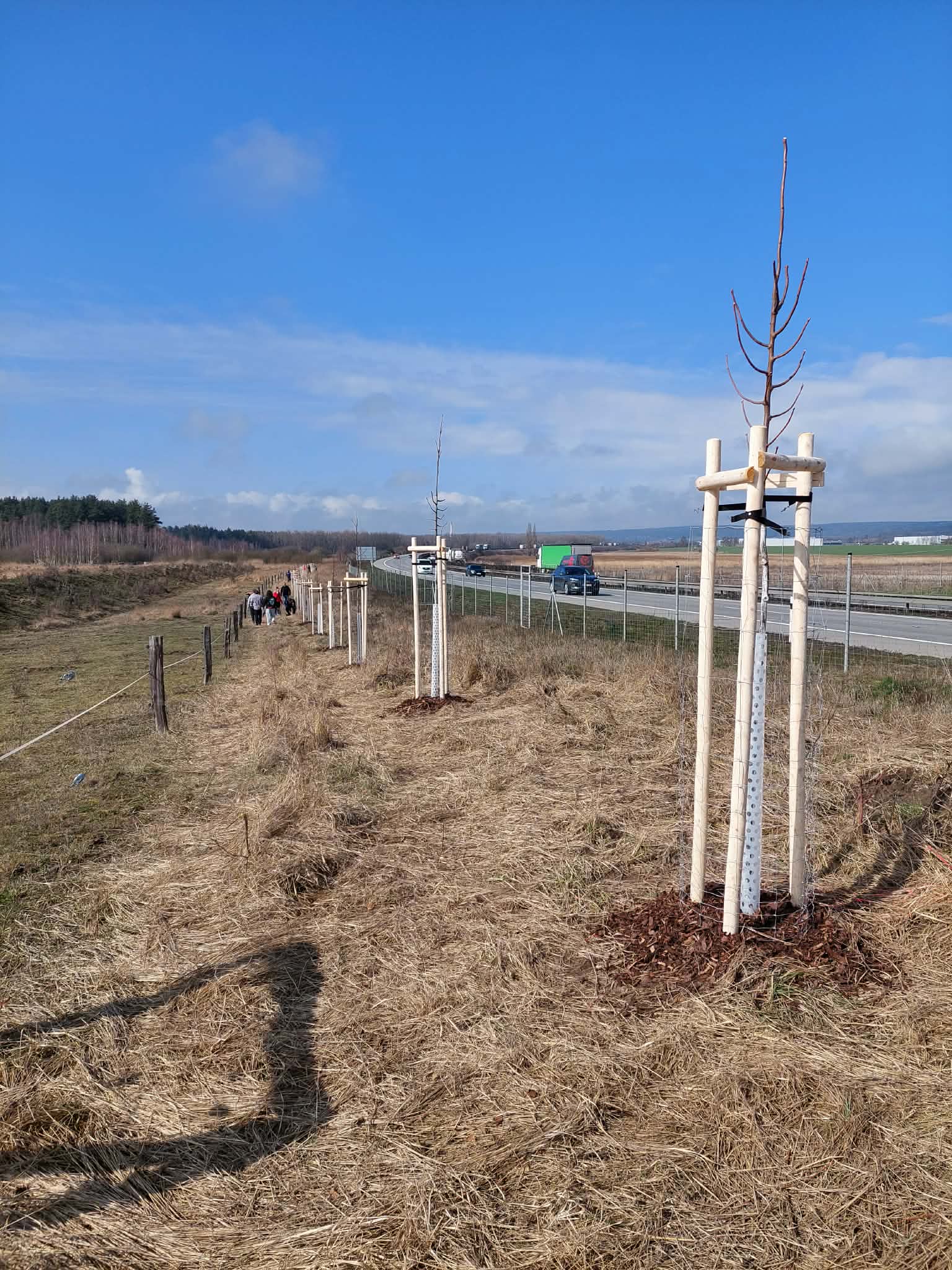
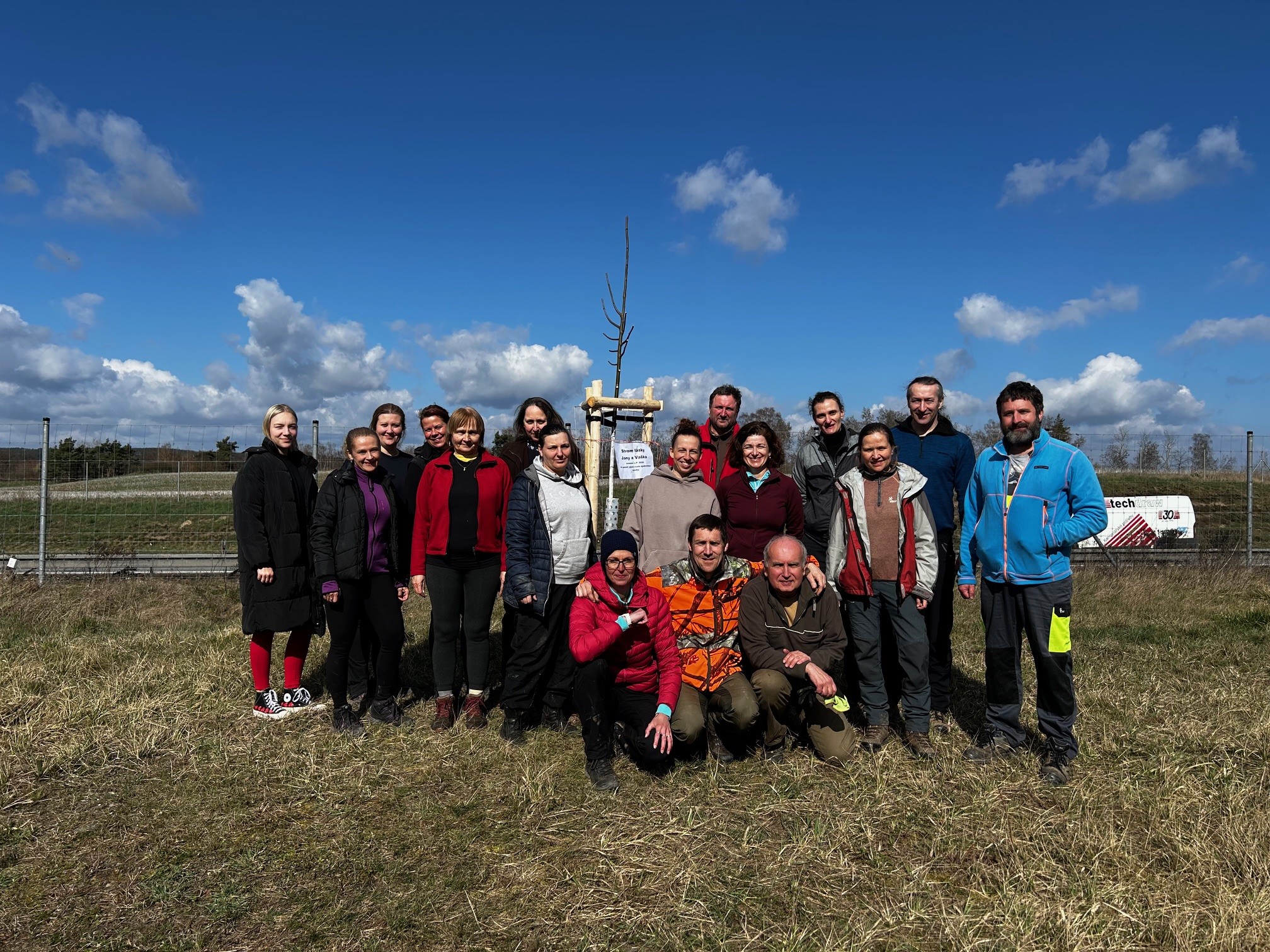
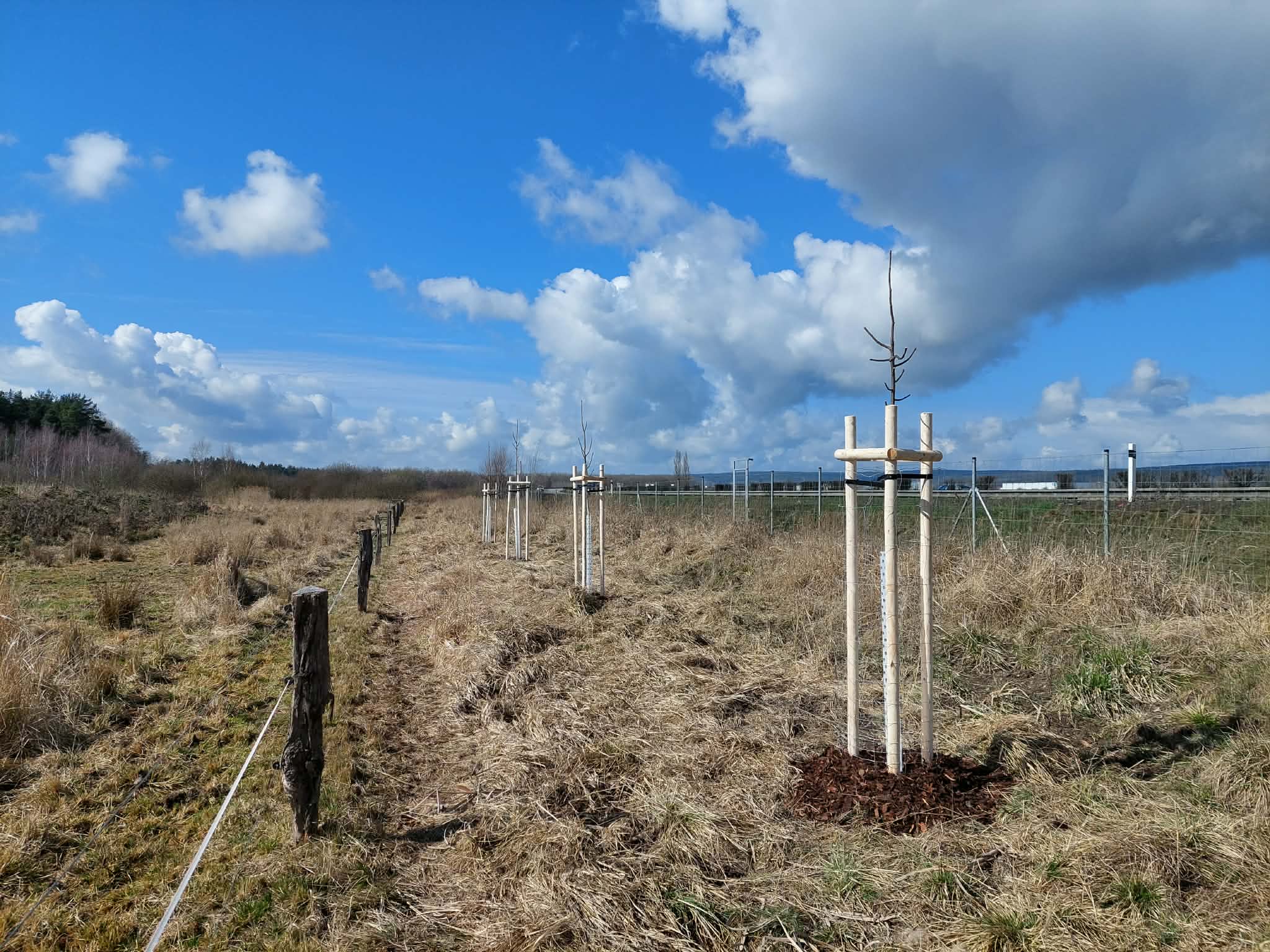
The planting of 35 small-leaved linden trees at the Janovský Mokřad nature reserve will commemorate 35 years of the University of West Bohemia in Pilsen (UWB). The Pilsen Region has collaborated with UWB on this project that will also create a natural barrier from the nearby D5 motorway, reduce noise and light from traffic, and improve conditions for birds and insects.
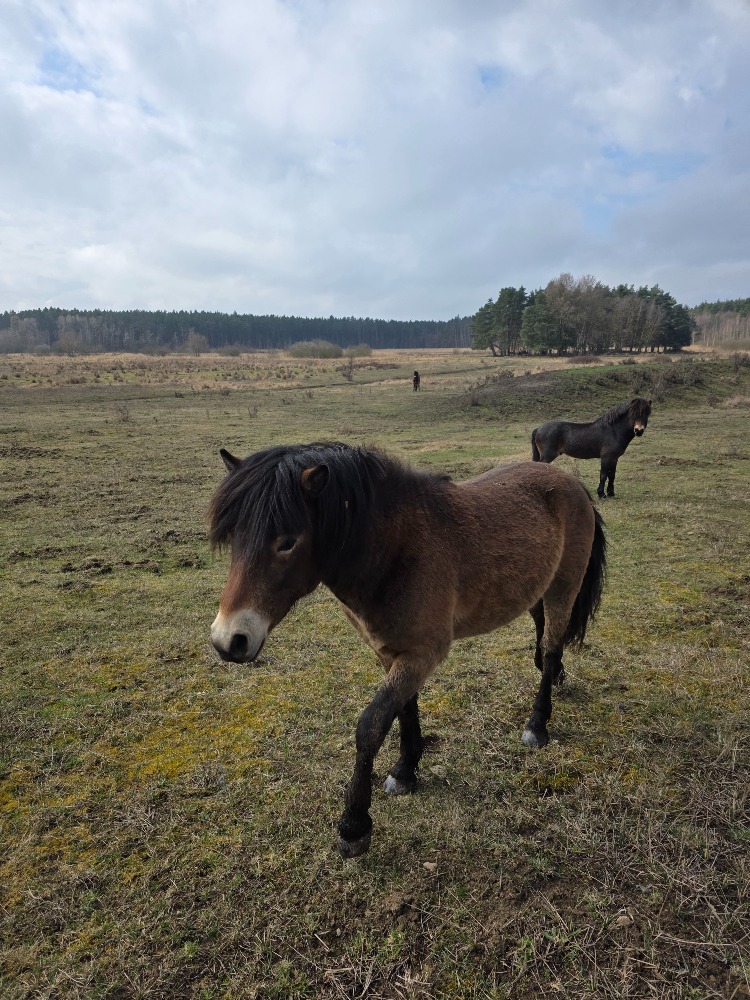
Since 2021, the nature reserve has been protecting the wetland ecosystem in the basin of the Vejprnický and Luční streams near the D5 motorway in the administrative districts of Nýřany, Úherce and Přehýšov. It was mainly the European beaver that has created this extensive wetland ecosystem with a complex hydrological regime, in which many rare bird species nest or use it as a migratory stop. The Janovský Mokřad wetland is a convenient biotope also for amphibians and reptiles as well as many species of invertebrates. Large ungulates – aurochs and Exmoor ponies – help with management in the reserve.
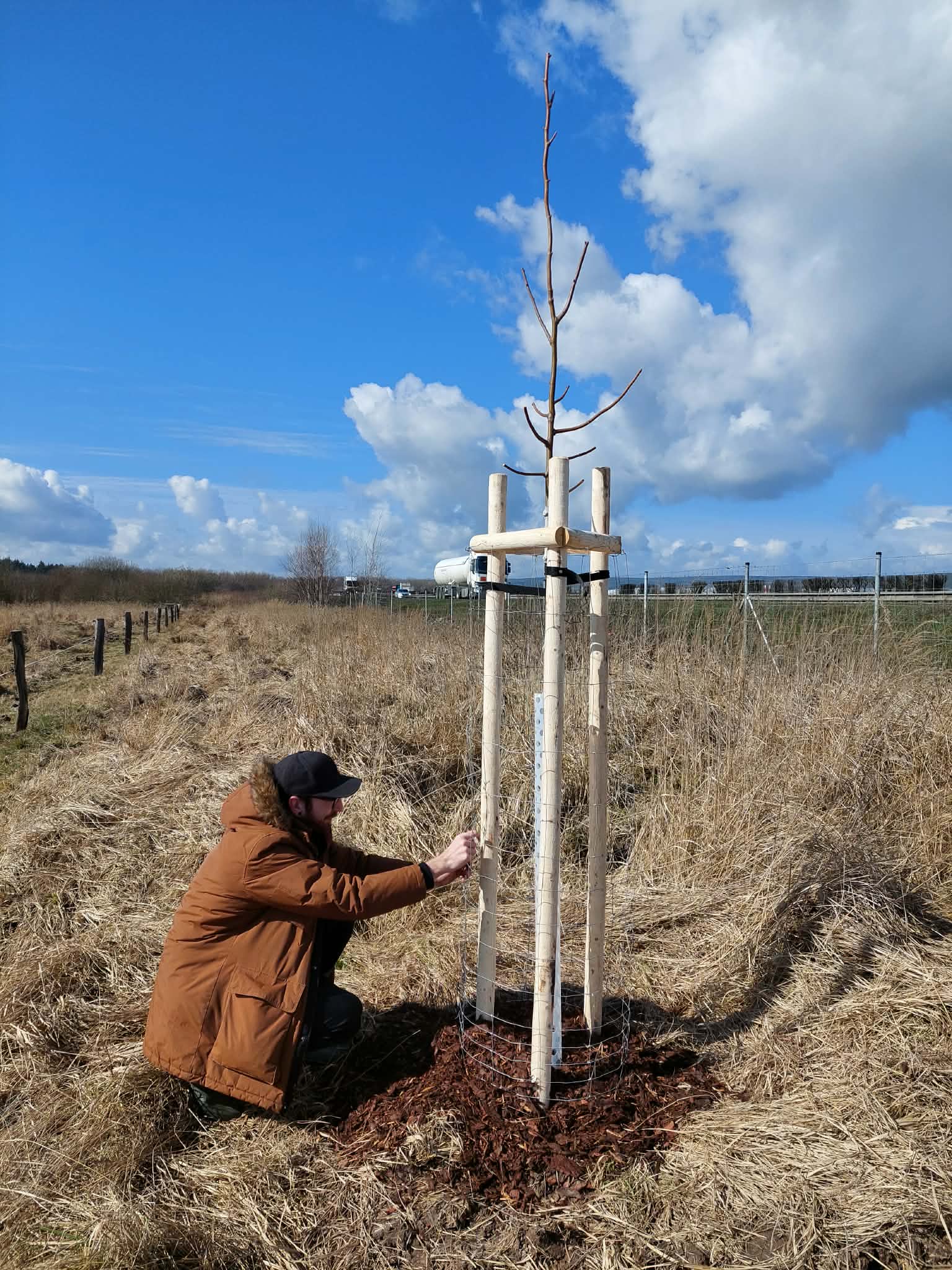
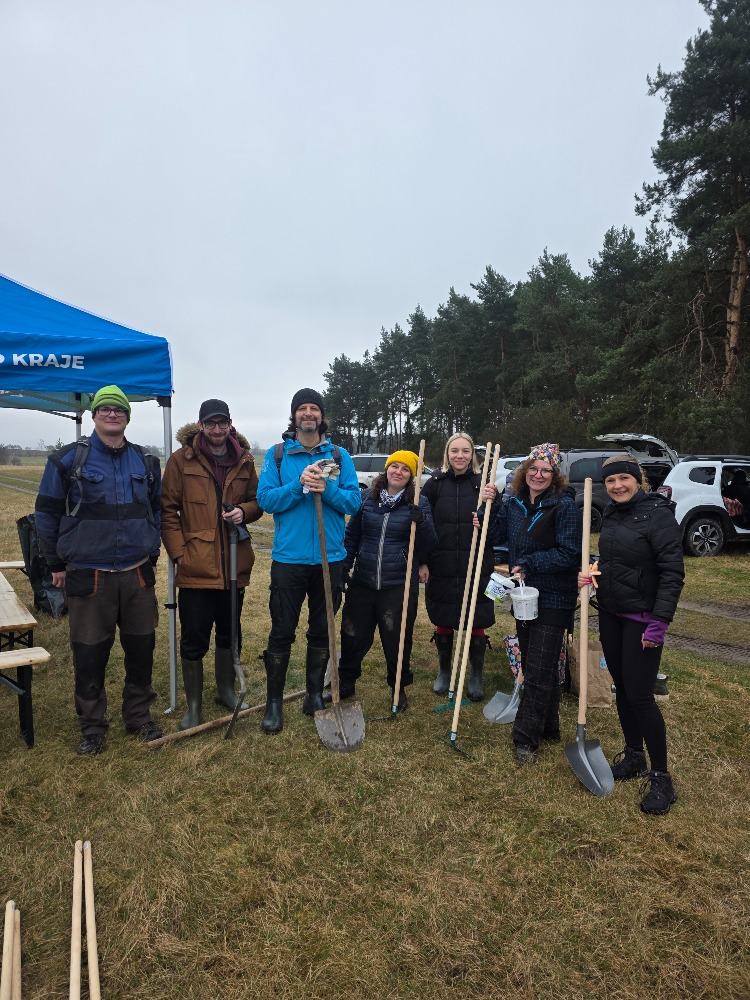
There was no barrier between the motorway and the nature reserve that would reduce the level of noise and night-time light pollution. The previously built earth embankment proved to be ineffective from this point of view. Therefore, a place was chosen between the first grazing area and the motorway to create another natural barrier that would improve the situation. The university students and employees as well as employees of the Pilsen Region's Environment Department took an active part in the planting. Before the work, an expert from the Environment Department showed all participants how to plant the linden trees correctly. After this demonstration, the participants completed the successive tasks of planting, applying a protective layer and adding protective fencing to the trees. The activity was watched by the most competent - the Exmoor ponies that were very curious about what was happening.
Why were lindens the chosen species? The surrounding landscape lacks, apart from rapeseed, nectar and pollen for many insect species, including important pollinators. Lindens bloom later than other plants, so in late summer they are almost the only source of nectar for insects that, in turn, are a source of food for birds. Another important factor was that the linden trees have a very dense crown, which will help reduce the level of noise and nighttime lightpollution. The location was selected so that the trees would complement the only noise barrier, a low earth embankment built in the first pasture area.




Krajský úřad Plzeňského kraje
Odbor životního prostředí
Škroupova 1760/18
301 00 Plzeň
IČO: 70890366


