

Plzeňský kraj

Daimler Buses Česká republika s.r.o.
2026
125 000 Kč
Ing. Lucie Hájková
lucie.hajkova@plzensky-kraj.cz
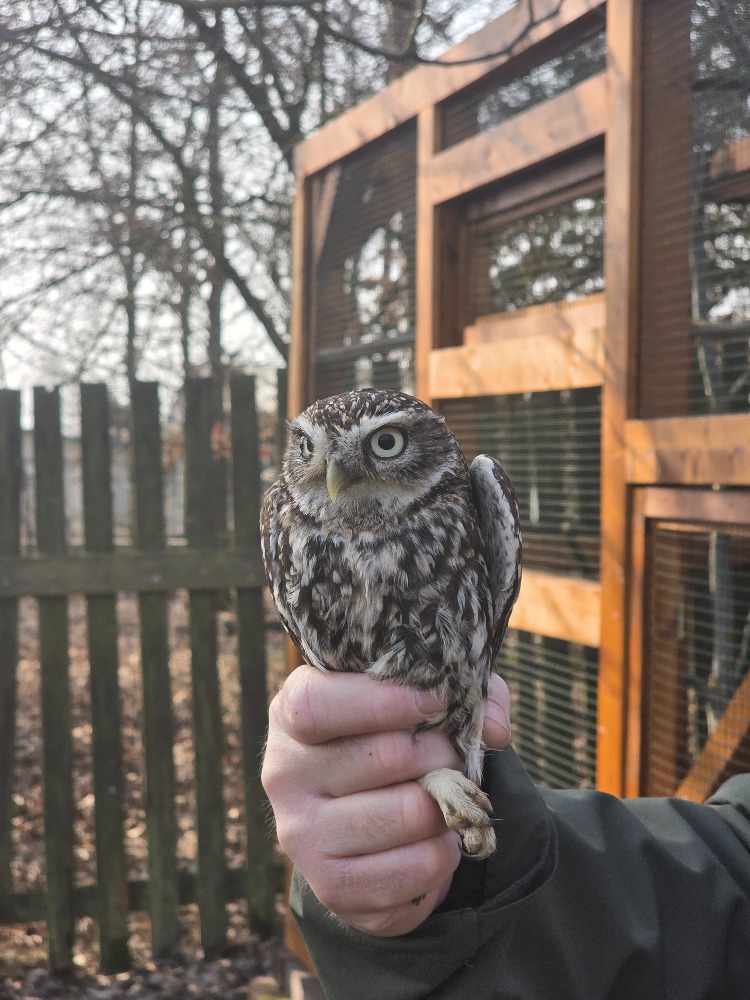
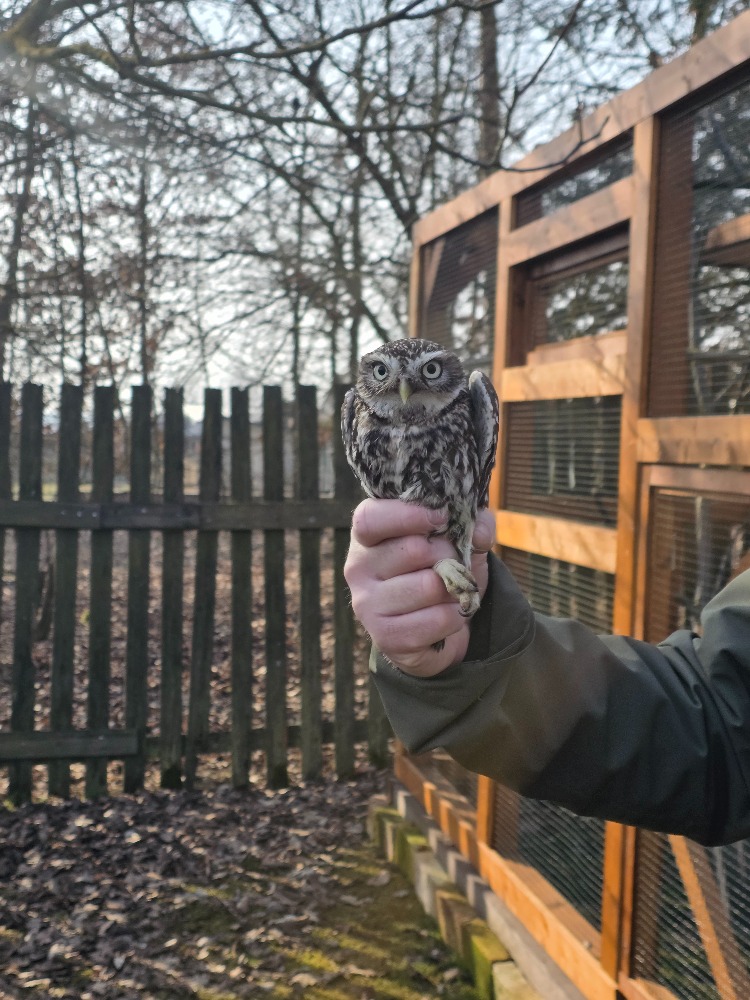
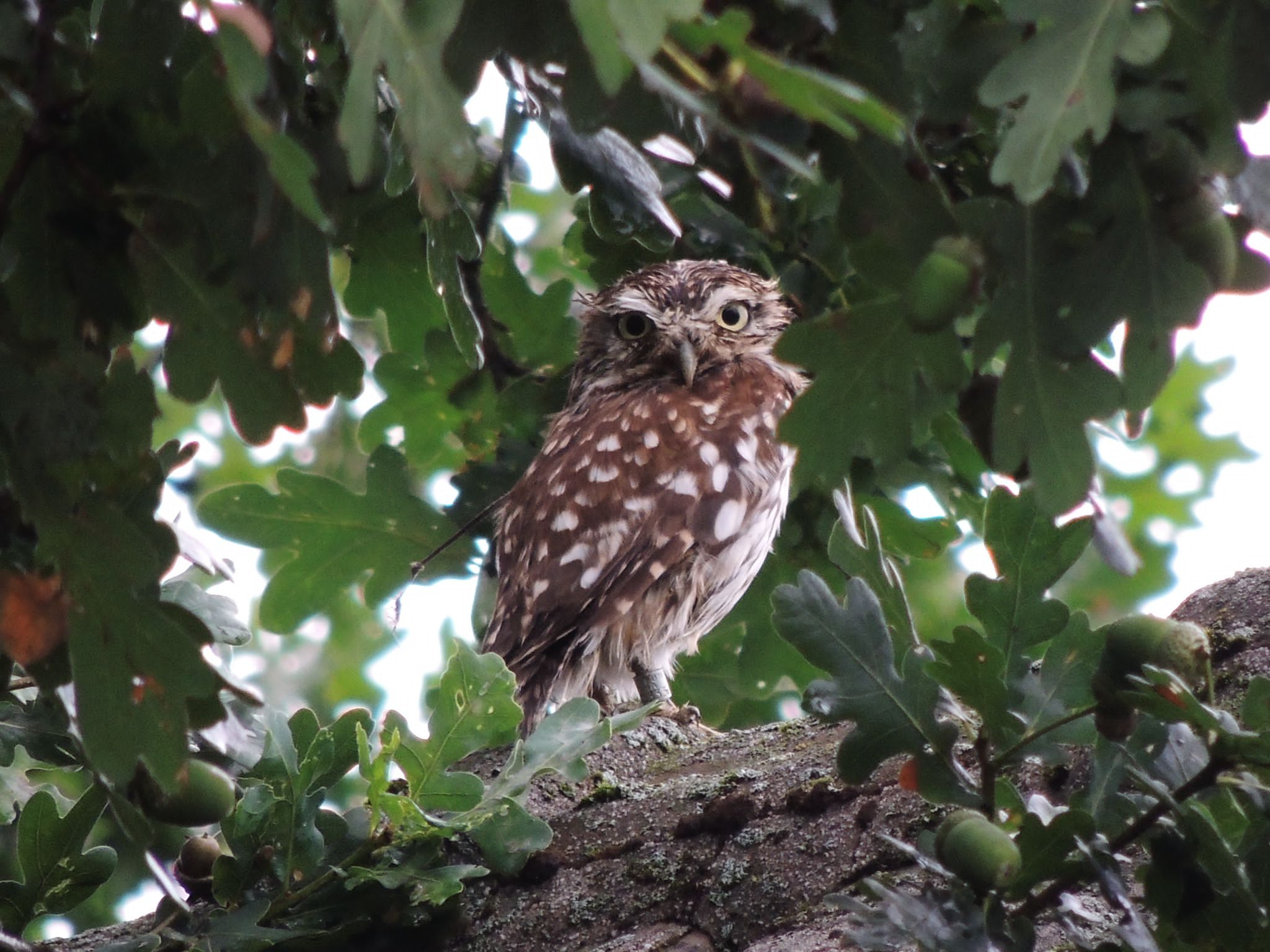
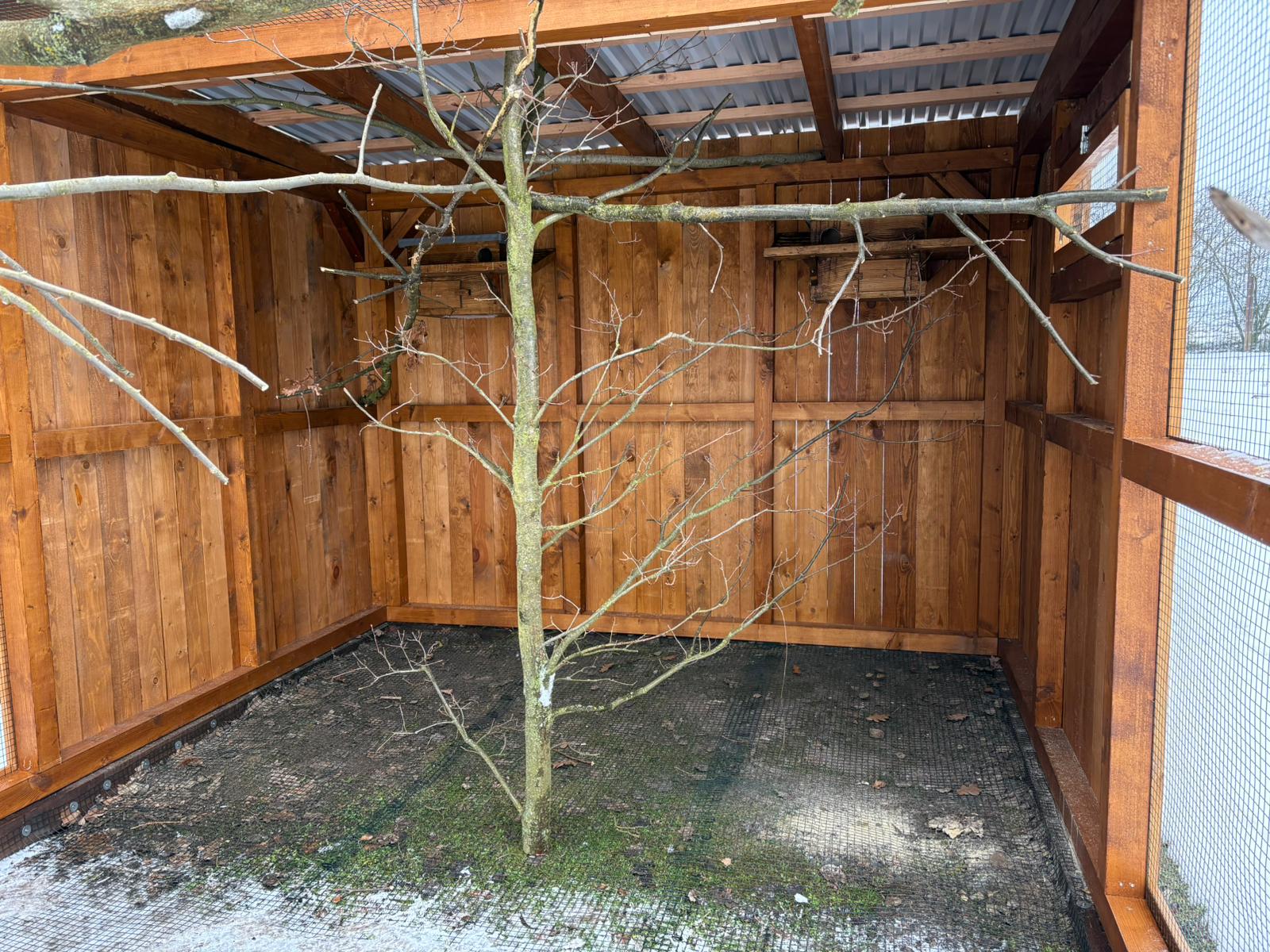
The Pilsen Region has been participating in projects on practical protection of endangered rare and protected animal species in its territory for many years. Now it has given the opportunity to get involved to companies under the eco-label Healthy Landscape Project Partner. Thanks to financial support from Daimler Buses, the Pilsen Region was able to build another release aviary for little owls in a village in the Nýřany district. The little owl is a highly endangered species that has almost become extinct in the Czech Republic and neighbouring countries.
In the Pilsen Region, the last small wild population of little owls lives south of Nýřany. One of the key methods of saving the last little owls is releasing the birds from nesting aviaries placed in pre-selected localities that are suitable for the permanent presence of these owls with partially diurnal activity. The Pilsen Region approached the private owner of a suitable plot of land, who also happens to be an experienced expert in research and protection of little owls, and the owner allowed not only the nesting aviary to be placed on his land, but also to be accessed.
The plot of land is located in a village where little owls were found until recently, and their wild population is only 3 km away as the crow flies. This distance is no problem for the birds' flying range and the goal is to strengthen this little owl population with birds raised in the aviary. There is plenty of food and shelter in the village and its surroundings where the little owls can continue to live. Moreover, another release aviary, from which the owls have already been released, is installed in the nearby Janovský Mokřad wetland nature reserve where the owls have adapted well after their release.
The aviary dimensions are designed to correspond to the biology of the little owls. The birds can nest there in installed birdhouses and hunt live grey mice that are added to their diet. The parent pair will be placed in the aviary in February, nesting is expected in April. If the chicks hatch, the birds will be marked in June with VHF radios and then when the chicks are about30 days old, the aviary will be opened, the birds will leave the aviary independently and will be intensively monitored by radio telemetry. Using this method, the expert team has already released a number of birds that have successfully settled and nest freely in the vicinity of Spálené Poříčí.
The installation of an aviary in a village in the Nýřany district near the wild population follows on from the aviary installed in the Janovský Mokřad nature reserve. It is a crucial continuation of the project through which ornithologists want to save and strengthen the last wild population of the little owl. The project is very financially demanding and it is not possible to obtain a grant for its implementation. Therefore, cooperation with our partners such as Daimler Buses is very beneficial and shows that together we can do very important projects that can help save disappearing animal species previously common in our landscape.


Krajský úřad Plzeňského kraje
Odbor životního prostředí
Škroupova 1760/18
301 00 Plzeň
IČO: 70890366


